English (US)


How to Identify a Scam Smart Contract: Complete Guide 2025
Smart contracts power most of the modern blockchain economy. They automate trading, DeFi lending, token transfers, DAO governance, airdrops, NFT minting, and thousands of Web3 applications. As adoption grew, so did the number of malicious actors creating fraudulent, deceptive, or technically compromised contracts.
In 2025, learning to recognize these threats is not optional anymore — it is essential self-defense for anyone using blockchain. This guide explains how smart contracts work, how scammers exploit them, what real red flags look like, and how to verify code, audits, and project credibility before interacting with any dApp. By the end, you’ll know exactly how to evaluate contract safety even if you don’t know Solidity.
Key Takeaways
- Smart contracts are irreversible, so a single malicious approval can permanently drain funds.
- Scam contracts hide harmful logic behind normal-looking interfaces, often using excessive permissions or upgradeable proxies.
- Legitimate projects are transparent — with verifiable audits, real documentation, and traceable developer activity.
- Guaranteed profits and unrealistic yields are reliable indicators of deceptive or unsustainable contract mechanics.
- Copycat websites and fake airdrop pages distribute wallet-draining contracts by imitating trusted platforms.
- High-pressure marketing pushes users into interacting without due diligence, increasing vulnerability to fraud.
- Security tools and community feedback help detect red flags early, but user discipline remains the most effective protection.
What Smart Contracts Really Are (and Why They Can Be Dangerous)
A smart contract is a self-executing program on the blockchain, running exactly as written without the possibility of altering or reversing its behavior. According to the official Ethereum documentation, smart contracts live at a fixed blockchain address and execute deterministically once called. When you click “Connect Wallet,” “Approve,” or “Swap,” you are granting a program permission to perform actions on your behalf.
This design gives enormous power: everything is automated, transparent, and irreversible. It also creates a perfect attack surface. A malicious contract does not need to break your wallet — it only needs you to approve it. After that, the code can drain tokens, lock your assets, reroute funds, or mint supply infinitely.
In 2024–2025, hacks increasingly exploited not only coding flaws but also over-permissioned approvals from unsuspecting users. The blockchain does not care whether the contract was dishonest. It executes exactly what the code says, permanently.
The Rise of Smart Contract Scams in 2024–2025
According to the Chainalysis Crypto Crime Report 2025, Web3 attackers shifted toward wallet-draining contracts, fake staking dApps, and malicious token approvals embedded in phishing websites. Losses from technically flawed or deliberately malicious contracts remain one of the most persistent categories of crypto crime.
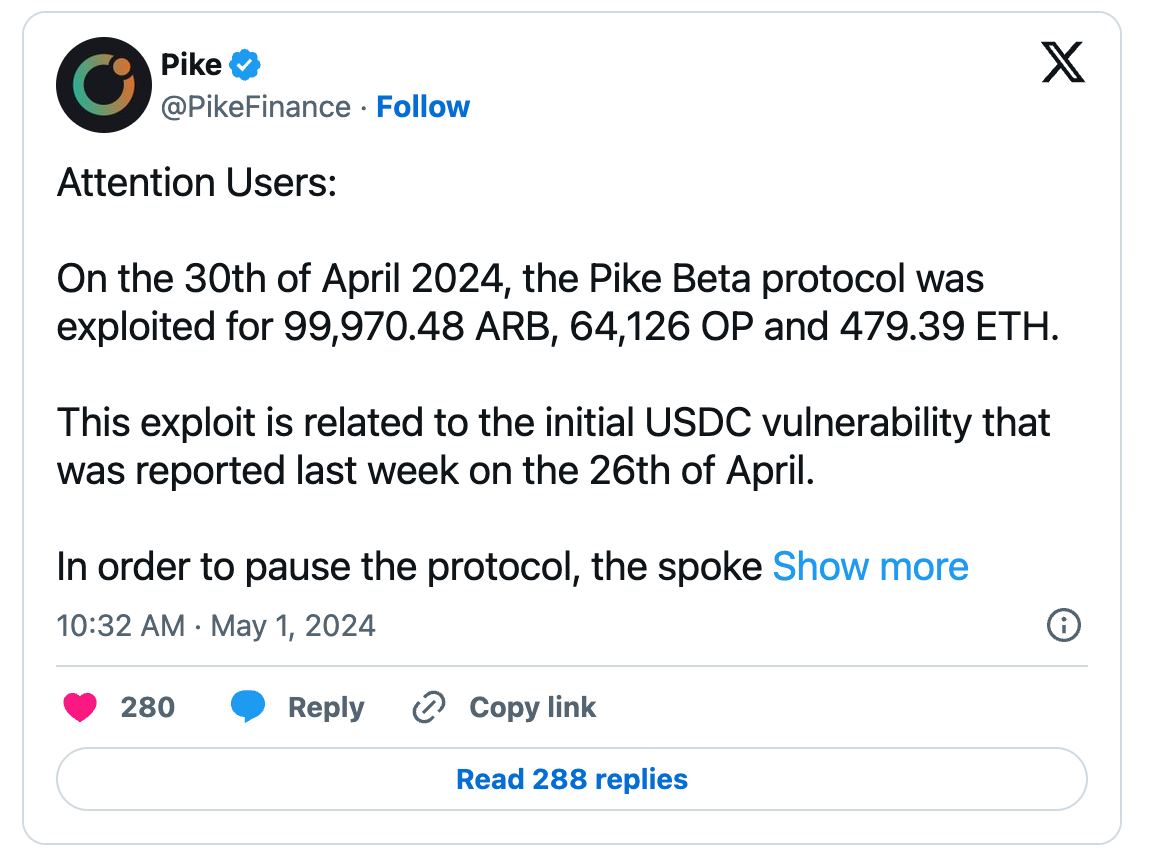
In April 2024, the DeFi lending protocol Pike Finance suffered two exploits totaling $1.98 million across Ethereum, Arbitrum, and Optimism. As reported by CryptoNews, attackers exploited vulnerabilities in the protocol’s smart contracts.
According to a summary of the CertiK Web3 Security Report 2024 published by BitcoinKE, phishing attacks dominated the Web3 threat landscape in 2024, resulting in over $1.01 billion in losses across 296 incidents. Overall, more than $2.3 billion was lost in 760 documented security breaches, highlighting how wallet-draining and approval-based attacks continue to evolve rather than disappear.
The lesson is clear: the blockchain landscape rewards transparency, but it does not protect the careless.
Tip: If you want to avoid unnecessary exposure to risky smart contracts, consider using a non-custodial exchange like ChangeNOW. You can swap crypto instantly without registration, without approvals, and without interacting with high-risk on-chain contracts.
How Scam Smart Contracts Attract Victims
Scammers rarely lead with code. They start with psychology.
Most fraudulent Web3 platforms don’t even try to appear deeply technical. Instead, they lean on promises that exploit fear of missing out: guaranteed returns, risk-free yields, exclusive presales, or limited-time staking pools. Their websites imitate real DeFi dashboards. Their social media accounts flood users with hype. Their tokens appear on low-tier DEX lists within hours.
At the center of all this sits the contract — a piece of code designed with hidden backdoors.
A modern malicious contract typically includes one or more of the following behaviors:
- drains tokens through unlimited approvals
- prevents selling via restrictive transfer logic
- allows the owner to mint infinite supply
- lets developers freeze user wallets
- hides harmful functions behind proxy upgrades
- routes funds to an external wallet on every interaction
None of this is visible on the surface. The interface may look safe. The website may look professional. But the contract will always reveal the truth — if you know how to examine it.
How to Tell If a Smart Contract Is Safe (2025 Framework)
A safe smart contract is not defined by promises or marketing. It is defined by transparency, traceability, and independent verification.
1. Transparent Projects Rarely Scam
Legitimate teams make themselves public. They publish whitepapers, documentation, GitHub commits, development updates, audits, and clear tokenomics.
A scam project hides everything: no identifiable developers, no published roadmap, no technical explanation of how returns are generated. When communication is vague, evasive, or overly promotional, the contract behind it usually mirrors that opacity.
2. Unrealistic Returns Signal Underlying Manipulation
In crypto, nothing produces 100% fixed daily profit. If a platform guarantees high yield without explaining the economic model behind it, the “yield” often comes from:
- newly minted tokens created by the contract
- reallocated user deposits
- artificially manipulated liquidity
Smart contracts cannot create value out of thin air, but they can create illusions.
3. Anonymous Teams Are a Risk Factor in 2025
Pseudonymity is part of crypto culture, but complete anonymity combined with financial promises is a classic scam pattern. A legitimate team — even under pseudonyms — usually provides GitHub activity, verifiable history, or prior on-chain work. Scam teams do not.
4. Copycat Platforms Use Real Branding to Sell Fake Contracts
Imitation is now one of the most common tactics in Web3 fraud.
Fake websites clone popular platforms pixel-for-pixel. They embed a wallet drainer under a button labeled “Claim Airdrop.” They copy real contracts but replace one function with malicious logic.
Always verify contract addresses directly from official sources — never from social media or search engines.
5. Real Audits Are Public and Verifiable
Legitimate projects publish audits from recognizable firms and provide links, PDFs, hashes, and on-chain records. Scammers increasingly forge audits or link to outdated, irrelevant reports. When an audit cannot be independently verified, it should be treated as nonexistent.
6. High-Pressure Marketing Equals High-Risk Contracts
Anything urging you to approve a contract quickly — countdowns, presale clocks, “exclusive access,” or claims that others are already doubling their money — is engineered to reduce your skepticism.
7. Community Feedback Reveals Hidden Threats
In 2025, forums, Discord servers, X (Twitter), and Reddit remain vital discovery tools. Red flags spread fast. Scam contracts usually leave traces early — especially among technical users who check the code.
Mini-Story: The Cost of Blind Approvals
In early 2025, Marco, a 32-year-old investor from Madrid, interacted with a new staking platform offering 15% daily return. The interface looked polished. The contract looked standard. Minutes after approving his tokens, his wallet balance dropped to zero.
The contract contained a hidden “transferFrom” loop that executed immediately after approval. Marco’s experience became a lesson shared widely across Spanish crypto forums: the losses were irreversible.
This fictional example illustrates how malicious approvals work.
Practical Ways to Analyze a Contract (No Coding Skills Required)
You don’t need to read Solidity to detect risk in 2025. The ecosystem now offers automated analysis tools, audit portals, and user-friendly scanners. When you paste a contract address, these platforms can detect:
- owner privileges
- proxy upgradeability
- minting capabilities
- blacklist functions
- code similarities with known scam templates
- abnormal token transfer logic
- unsafe external calls
A trustworthy smart contract is predictable and transparent. A dangerous one always includes some form of imbalance: too much control for the owner, too little clarity for the user.
Quick Beginner’s Checklist for Safe Smart Contract Interaction
| Check | What You Verify | Tools / Methods |
|---|---|---|
| Contract address | Matches official website/docs | Website, CoinGecko, CoinMarketCap |
| Audit legitimacy | Independent, public, recent | Audit PDFs, auditor websites |
| Permissions | Approval scope, unlimited spend? | Wallet popup, Etherscan write functions |
| Contract logic | Owner privileges, minting, proxy | DeFiSafety, Token Sniffer, GoPlus |
| Website authenticity | No typos, no clones, right domain | Whois lookup, DNS age |
| Team traceability | GitHub, X/Twitter, prior work | GitHub commits, social verification |
| Community activity | Real users, not bots | Reddit, Discord, X discussions |
If a project fails on any of these points, interacting with its contract carries elevated risk.
Real Example: The $1.98 Million Reminder
The Pike Finance exploit in April 2024 remains one of the clearest recent reminders that even established platforms can harbor vulnerabilities. A small oversight in contract logic led to cascading losses across multiple chains. The victims were not beginners; they were experienced users interacting with a protocol that looked solid and had traction.
In blockchain, reputation does not guarantee safety — only verified code does.
Staying Safe in 2025: The Principles That Actually Work
Crypto evolves quickly, but the fundamentals of safety do not. Approach every interaction with the same structured discipline:
- Understand what the contract is supposed to do.
- Verify what permissions it requires.
- Check whether those permissions are excessive.
- Validate whether the team and audit records are verifiable.
- Avoid emotional decisions triggered by hype or urgency.
Smart contract safety is 80% preparation, 20% execution. Most losses come from rushed approvals, blind trust, and failure to analyze risk.
FAQ: Real Questions from 2025 Users
Can a smart contract steal my funds?
Yes. If you grant it permission, it can execute whatever its code allows.
Can I reverse a malicious transaction?
No. Blockchain settlements are final.
Do audits guarantee safety?
Audits reduce risk but do not eliminate it. Code can be updated via proxies after audits.
Is anonymity always a red flag?
No, but anonymity combined with financial promises is.
What’s the simplest way to avoid scams?
Never approve a contract you do not fully trust. Verification always comes before interaction.
Conclusion: Smart Contract Safety Is a Skill, Not a Guess
In 2025, spotting a scam smart contract requires a combination of technical awareness, skepticism, and structured evaluation. You do not need to be a developer. You only need to understand the signals: transparency, verifiable audits, real teams, sustainable mechanics, and community feedback.
Take the safer route: Many users minimize their contract risk surface by swapping assets through ChangeNOW — a non-custodial service with no accounts, no KYC for basic swaps, and no direct interaction with potentially malicious smart contracts.
Every safe interaction starts with patience. Every scam succeeds because someone rushed.
If you learn to slow down, question boldly, and verify before approving, you will navigate the Web3 ecosystem with confidence instead of fear. Smart contracts are powerful — but only when used with discipline.